Forsythia jelly is a delightfully bright and sunny spread perfect for toast or desserts. This easy recipe highlights the beautiful blooms of spring, making it a family-friendly treat that’s both unique and healthy. You’ll love how simple it is to create this indulgent jelly!
Table of Contents

Forsythia Jelly Recipe Overview
What is Forsythia Jelly?
Forsythia jelly is a delightful spread made from the lovely blossoms of forsythia flowers. This vibrant jelly boasts a unique flavor profile, reminiscent of a sunny day. Using blossoms from both forsythia and dandelions creates a beautiful golden liquid that brings spring’s essence right to your table.
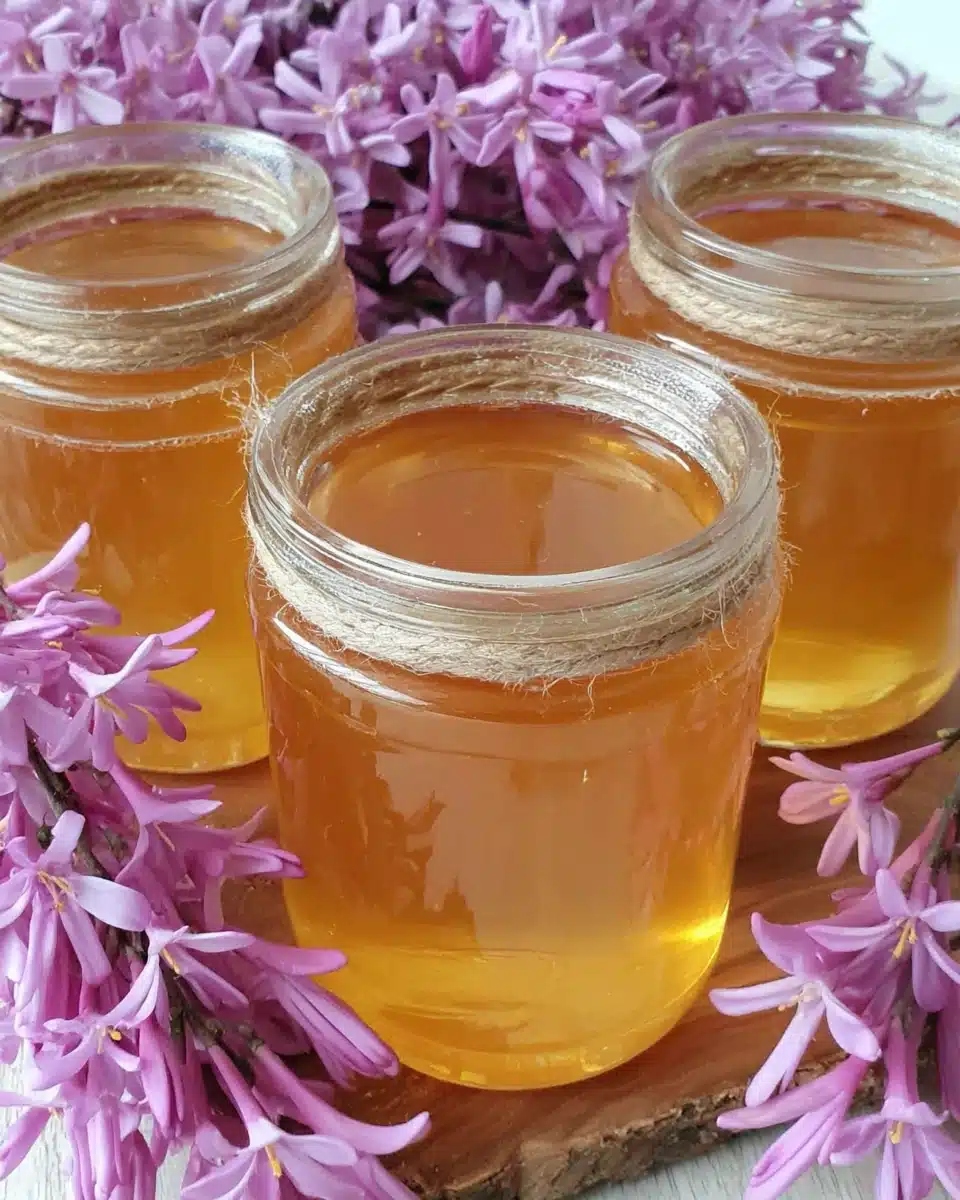
Why Use Forsythia and Dandelion Blossoms?
Using forsythia and dandelion blossoms not only gives this jelly its stunning color but also infuses it with a light, floral flavor. Forsythia’s slightly tart notes balance with the sweetness of honey, while dandelion adds a hint of earthiness. Together, they create a jelly that’s both refreshing and unique.
Ingredients for Forsythia Jelly
Fresh Forsythia and Dandelion Blossoms
For the best flavor, gather about 9 cups of fresh forsythia and dandelion blossoms. Aim for a ratio of 2 parts forsythia to 1 part dandelion, ensuring you remove any bitter green parts from the dandelions.
Sweetening with Honey
Honey lends a natural sweetness to the jelly, enhancing its vibrant floral notes. You’ll need 3 cups of honey, which not only sweetens but also adds a lovely depth to the flavor profile.
The Role of Lemon Juice
Lemon juice, about 2 tablespoons, brightens the taste of the jelly. It adds a tangy freshness that balances the sweetness, making every bite more delightful and refreshing.
Using Vanilla Bean and Pectin
A split vanilla bean brings warmth and complexity to this jelly. The seeds from the bean infuse the mixture beautifully. Pectin, either a box or Pomona’s pectin, is essential for achieving that perfect jelly consistency.
Step-by-Step Instructions
Gathering and Preparing the Blossoms
Start by collecting your blossoms. Aim for about 8-10 cups, ensuring to remove the bitter green parts of the dandelions. The forsythia petals can remain as they contribute flavor.
Steeping the Blooms
Place the blossoms in a heat-safe bowl. Pour at least 4 cups of boiling water over them. The longer you steep, the milder the flavor will be; allow it to steep for 4 hours or even overnight for a more robust infusion.
Straining the Tea
After steeping, strain the mixture through cheesecloth to remove the flower parts. You’ll be left with a stunning, golden liquid that serves as the base for your jelly.
Cooking the Jelly Mixture
In a large saucepan, combine the strained tea, lemon juice, pectin, and the seeds from the vanilla bean. Bring the mixture to a boil, then stir in the honey. Allow it to return to a boil for about 2 minutes to activate the pectin.
Pouring and Sealing the Jars
Pour the finished jelly into hot, prepared jars, leaving about 1/4 inch of headspace. Seal the jars with lids, ensuring they’re tight but not overly so.
Water Bath Canning Process
To preserve your lovely jelly, process the jars in a water bath canner for 10 minutes. This step ensures your jelly stays fresh and safe for enjoyment later on.
Tips for Making the Best Forsythia Jelly
Alternative Ingredients and Variations
If you’re feeling adventurous, you can substitute other early spring blooms like redbuds for a different flavor twist. Additionally, this jelly can be made without pectin, but it will require a longer cooking time.
Storage Tips for Homemade Jelly
Store your sealed jars of forsythia jelly in a cool, dark place. Properly canned jelly can last for a year, allowing you to savor the flavors of spring even in winter.
How to Use Forsythia Jelly
Beyond simply spreading on toast, forsythia jelly is delicious drizzled over pancakes, stirred into yogurt, or used as a filling for pastries. Its bright flavor can elevate many dishes, so feel free to get creative!
FAQs
What ingredients do I need to make forsythia jelly?
To make forsythia jelly, you need forsythia and dandelion blossoms, honey, lemon juice, a vanilla bean, and pectin.
How do I properly harvest forsythia flowers for jelly?
Harvest fresh forsythia flowers by picking them in the morning when they are dry. Avoid any brown or wilting blooms.
What are some tips for canning forsythia jelly safely?
Ensure your jars are sterilized, seal them tightly, and process them in a water bath for the recommended time to prevent spoilage.
Can I use forsythia jelly in recipes besides spreading on toast?
Yes! Forsythia jelly can be used in various dishes like pancakes, pastries, or as a yogurt topping.
What does forsythia jelly taste like compared to other fruit jellies?
Forsythia jelly has a bright, floral flavor that is different from traditional fruit jellies, which tend to be sweeter and more fruity.
Related Recipes to try
Conclusion
Making forsythia jelly is a wonderful way to capture the essence of spring. The bright, sunny flavor is sure to delight your family and friends. You can find more inspiration and creative ideas on platforms like Pinterest, where you can explore various recipes and tips to enhance your culinary journey.
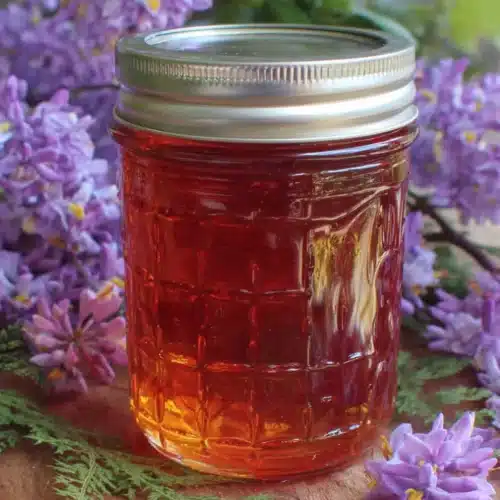
Delightful Forsythia Jelly: A Simple, Sunny Treat
Equipment
- heat-safe bowl
- large saucepan
- cheesecloth
- water bath canner
- jars
Ingredients
- 9 cups forsythia and dandelion blossoms Approximately 8-10 cups of fresh blooms.
- 3 cups honey
- 2 tablespoons lemon juice Fresh or bottled.
- 1 vanilla bean Cut open and scraped.
- 1 box pectin Or Pomona’s pectin.
Instructions
- Gather 8-10 cups of fresh forsythia and dandelion blooms, ensuring a ratio of 1 part dandelion to 2 parts forsythia.
- Remove the green parts from the dandelions to avoid bitterness; leave the forsythia bottoms.
- Place the blooms in a heat-safe bowl and pour at least 4 cups of boiling water over them.
- Allow the mixture to steep for 4 hours or overnight.
- Strain the tea through cheesecloth to remove the flower parts, yielding a golden liquid.
- In a large saucepan, combine the tea, lemon juice, pectin, and vanilla seeds.
- Bring the mixture to a boil, add the honey, and boil for about 2 minutes.
- Pour the jelly into hot, prepared jars, leaving a 1/4 inch headspace, and seal with lids.
- Process the jars in a water bath canner for 10 minutes.