Mak kimchi is a quick and easy way to enjoy the bold flavors of Korean cuisine. This traditional fermented cabbage dish is not only healthy but also bursting with savory, tangy, and spicy goodness. Perfect for family meals, it’s a dish that everyone will love!
Table of Contents
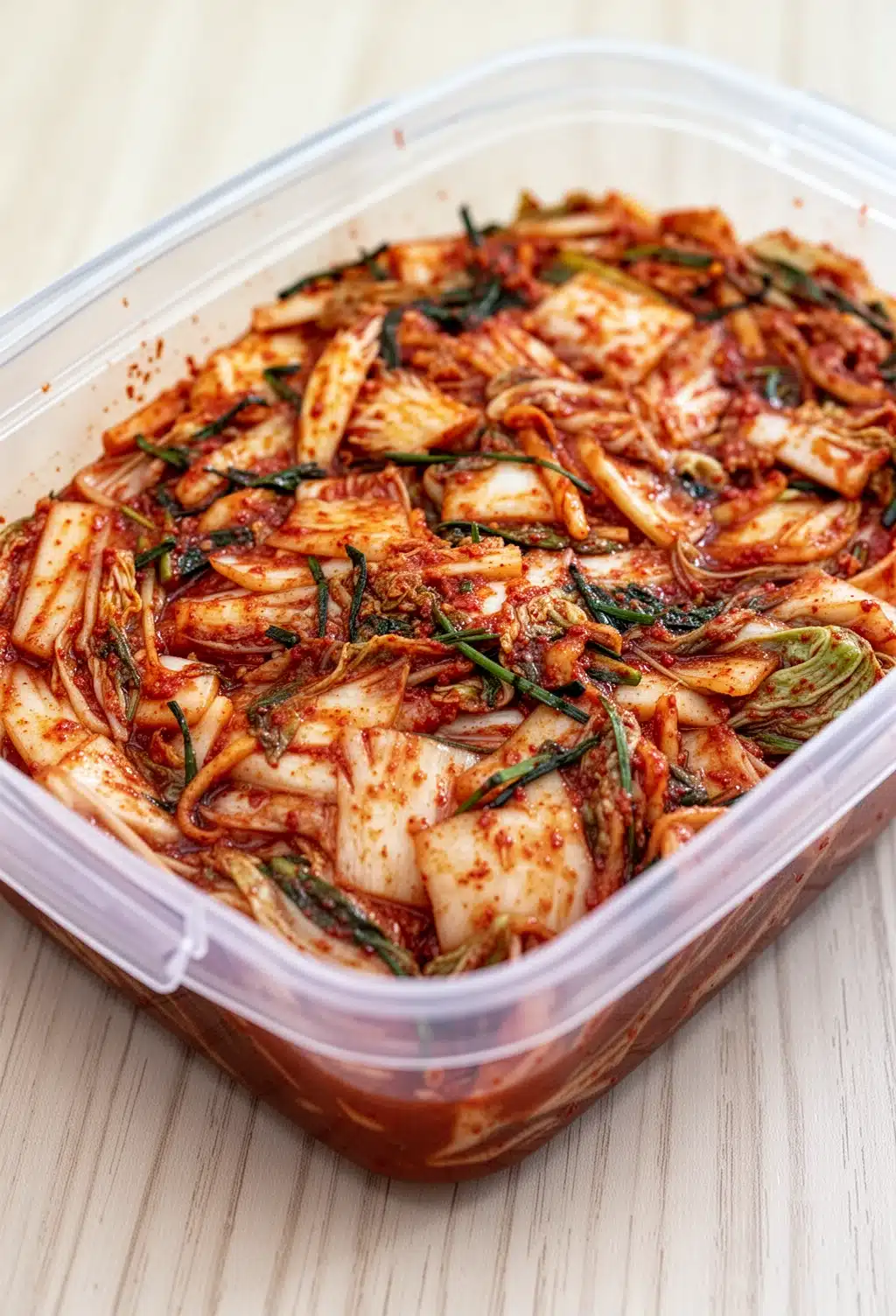
Mak Kimchi: A Quick and Easy Korean Fermented Cabbage
Mak kimchi is often considered a simpler version of kimchi, making it perfect for those new to this delicious world of fermentation. The crunchy napa cabbage pairs beautifully with the rich kimchi paste, creating a delightful balance of flavors. It’s a fantastic side dish that adds a zesty kick to any meal.
Essential Ingredients for Mak Kimchi
For the Salted Cabbage
To create that signature texture, you’ll need:
- 6 lb napa cabbage
- 2 cups Korean kimchi sea salt (or 1 cup fine sea salt)
- 3 cups water
For the Flavorful Kimchi Paste
The heart of mak kimchi lies in its flavorful paste. Gather these ingredients:
- 3 cups water
- 4 oz dried pollack
- 2 sheets palm size dried kelp
- 1/4 cup sweet rice flour
- 3 cups gochugaru (Korean red pepper flakes)
- 1 cup fish sauce
- 3 tbsp saewoojeot (Korean salted & fermented shrimp)
- 1/4 cup maesilaeg (Korean preserved plum extract)
- 18 to 24 garlic cloves, chopped
- 1 tbsp ginger, chopped
- 3 tbsp sugar
- 1 1/2 tbsp salt
For the Fresh Vegetable Filling
Enhance the kimchi with these fresh veggies:
- 2 lb Korean radish, julienned
- 8 to 10 green onions, cut into 1-inch pieces
- 1 bunch Korean mustard, cut into 1-inch pieces (approx. 4 cups)
- 1 bunch Korean or garlic chives, cut into 1-inch pieces (approx. 2 cups)
Step-by-Step Guide to Making Mak Kimchi
Preparing the Cabbage
Start by cutting the napa cabbage into quarters lengthwise. Remove the core and chop the leaves into bite-sized pieces. Sprinkle the salt evenly over the cabbage layers, then add 3 cups of water. Let it salt for 7 to 9 hours if the temperature is 60°F or below, or 4 to 5 hours if above 60°F. Rotate the cabbage once or twice during salting.
Crafting the Kimchi Paste Base
Next, prepare the kimchi paste. Boil 3 cups of water with the dried pollack and kelp for about 10 minutes. Remove the solids and add the sweet rice flour. Whisk and return to heat, simmering over medium-high until you see a soft boil, about 2 minutes. Allow this mixture to cool.
Assembling the Mak Kimchi
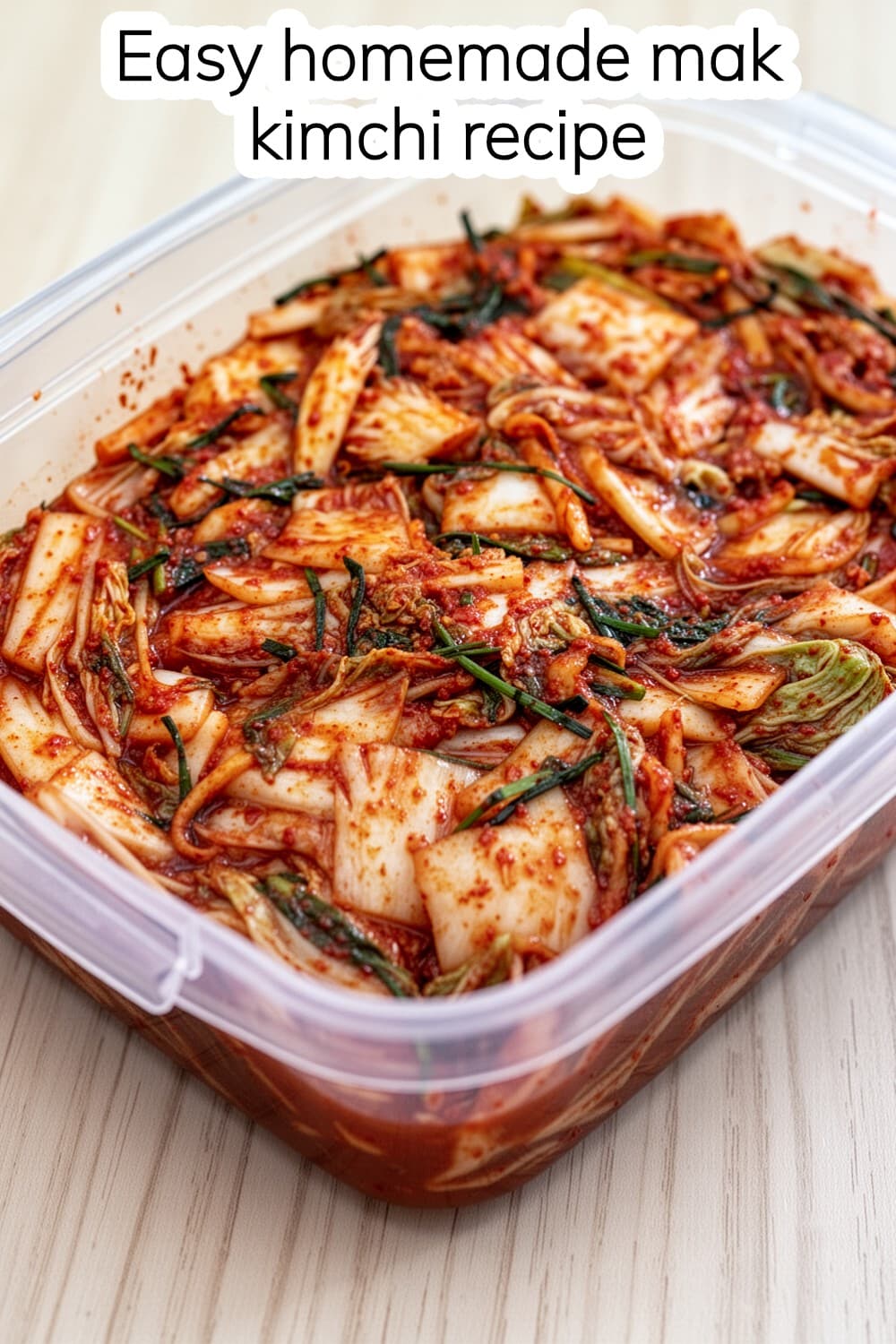
While the paste cools, chop your radish, green onions, mustard, and chives into 1-inch pieces. Finely chop the garlic and ginger. In a large mixing bowl, combine the cooled sweet rice porridge with gochugaru, fish sauce, saewoojeot, maesilaeg, sugar, and salt. Mix in the chopped vegetables until everything is well combined.
Toss the salted cabbage with the vegetable paste mixture until evenly coated. Transfer your mak kimchi into an airtight container, leaving about 1 inch of headspace for expansion during fermentation.
Fermentation and Storage
Let your mak kimchi ferment on the kitchen counter for 1 to 3 days, depending on your taste preference. After the desired fermentation time, transfer it to the refrigerator. This kimchi will continue to develop flavor as it sits!
Tips for Perfect Mak Kimchi
Achieving the Right Texture
For perfect mak kimchi, ensure the cabbage is well-salted but not mushy. The crunchiness of the cabbage enhances the overall eating experience.
Understanding Fermentation Times
Fermentation time is key. Shorter times yield a fresher taste, while longer fermentation develops deeper flavors. Adjust based on what you enjoy most!
Ingredient Substitutions for Mak Kimchi
If you can’t find specific ingredients, don’t worry! You can substitute fine sea salt for kimchi salt, fermented shrimp paste for saewoojeot, and use apple or apricot jam in place of maesilaeg.
FAQs
What ingredients do I need for mak kimchi?
You need napa cabbage, Korean kimchi sea salt, water, dried pollack, dried kelp, sweet rice flour, gochugaru, fish sauce, saewoojeot, maesilaeg, garlic, ginger, sugar, and several vegetables like radish and green onions.
How do I make mak kimchi step by step?
Start by salting the cabbage, prepare the kimchi paste, mix in the vegetables, then pack into a container for fermentation. Follow the detailed steps provided above!
Can I make mak kimchi ahead of time?
Yes, you can prepare mak kimchi ahead of time and let it ferment. It tastes even better after sitting in the fridge for a few days!
How should I store leftover mak kimchi?
Store leftover mak kimchi in an airtight container in the refrigerator. It will last for several weeks!
Related Recipes to try
- Tzatziki Sauce
- Easy Homemade Tzatziki Sauce
- Authentic Greek Tzatziki
- Vegan Tzatziki
- Easy Dairy Free Tzatziki
Conclusion
Now that you know how to create mak kimchi, it’s time to enjoy this vibrant dish! If you’re looking for more exciting recipes, check out the delightful ideas on Pinterest. Whether you’re new to cooking or a seasoned pro, mak kimchi will surely bring joy to your table!

Mak Kim Kimchi: A Deliciously Easy Korean Fermented Cabbage
Equipment
- large mixing bowl
- airtight container
- Strainer
- saucepan
Ingredients
Salted Cabbage
- 6 lb napa cabbage None
- 2 cups Korean kimchi sea salt or 1 cup fine sea salt
- 3 cups water None
Kimchi Paste
- 3 cups water None
- 4 oz dried pollack None
- 2 sheets dried kelp palm size
- 1/4 cup sweet rice flour None
- 3 cups gochugaru Korean red pepper flakes
- 1 cup fish sauce None
- 3 tbsp saewoojeot Korean salted & fermented shrimp
- 1/4 cup maesilaeg Korean preserved plum extract
- 18 to 24 garlic cloves chopped
- 1 tbsp ginger chopped
- 3 tbsp sugar None
- 1 1/2 tbsp salt None
Vegetable Filling
- 2 lb Korean radish julienned
- 8 to 10 green onions cut into 1-inch pieces
- 1 bunch Korean mustard cut into 1-inch pieces (approx. 4 cups)
- 1 bunch Korean or garlic chives cut into 1-inch pieces (approx. 2 cups)
Instructions
None
- Quarter the napa cabbage lengthwise, remove the core, and cut the leaves into bite-sized pieces.
- Sprinkle salt evenly over the cabbage layers and add 3 cups of water. Salt for 7 to 9 hours if the temperature is 60°F or below, or 4 to 5 hours if above 60°F, rotating the cabbage once or twice during salting.
- Rinse the salted cabbage three times in cold water and drain completely in a strainer for approximately one hour.
- Prepare the kimchi paste by boiling 3 cups of water with dried pollack and kelp for 10 minutes. Remove solids, then whisk in sweet rice flour and simmer for 2 minutes until soft-boiled. Let it cool.
- Chop the radish, green onions, mustard, and chives into 1-inch pieces. Finely chop the garlic and ginger.
- Combine the cooled sweet rice porridge with gochugaru, fish sauce, saewoojeot, maesilaeg, sugar, and salt in a large mixing bowl.
- Mix the chopped vegetables into the paste until well combined.
- Toss the salted cabbage with the vegetable paste mixture until evenly coated.
- Transfer the kimchi to an airtight container, leaving about 1 inch of headspace for expansion during fermentation.
- Ferment on the kitchen counter for 1 to 3 days, depending on your taste preference, then transfer to the refrigerator for storage.
Notes
- Ensure your airtight container has about 1 inch of room for fermentation expansion. Wear gloves when mixing vegetables with the paste to avoid staining and irritation. Adjust fermentation time based on your desired taste.
- For substitutions, fine sea salt can be used for kimchi sea salt, fermented shrimp paste for saewoojeot, and apple or apricot jam for maesilaeg.