Wild flower jelly is a delightful, colorful treat that brings a burst of floral sweetness to your table. This simple recipe is not only easy to make but also a wonderful way to celebrate nature’s beauty. Picture spreading this light, fragrant jelly on warm toast or drizzling it over desserts. It’s a family-friendly treat that everyone will love!
Table of Contents
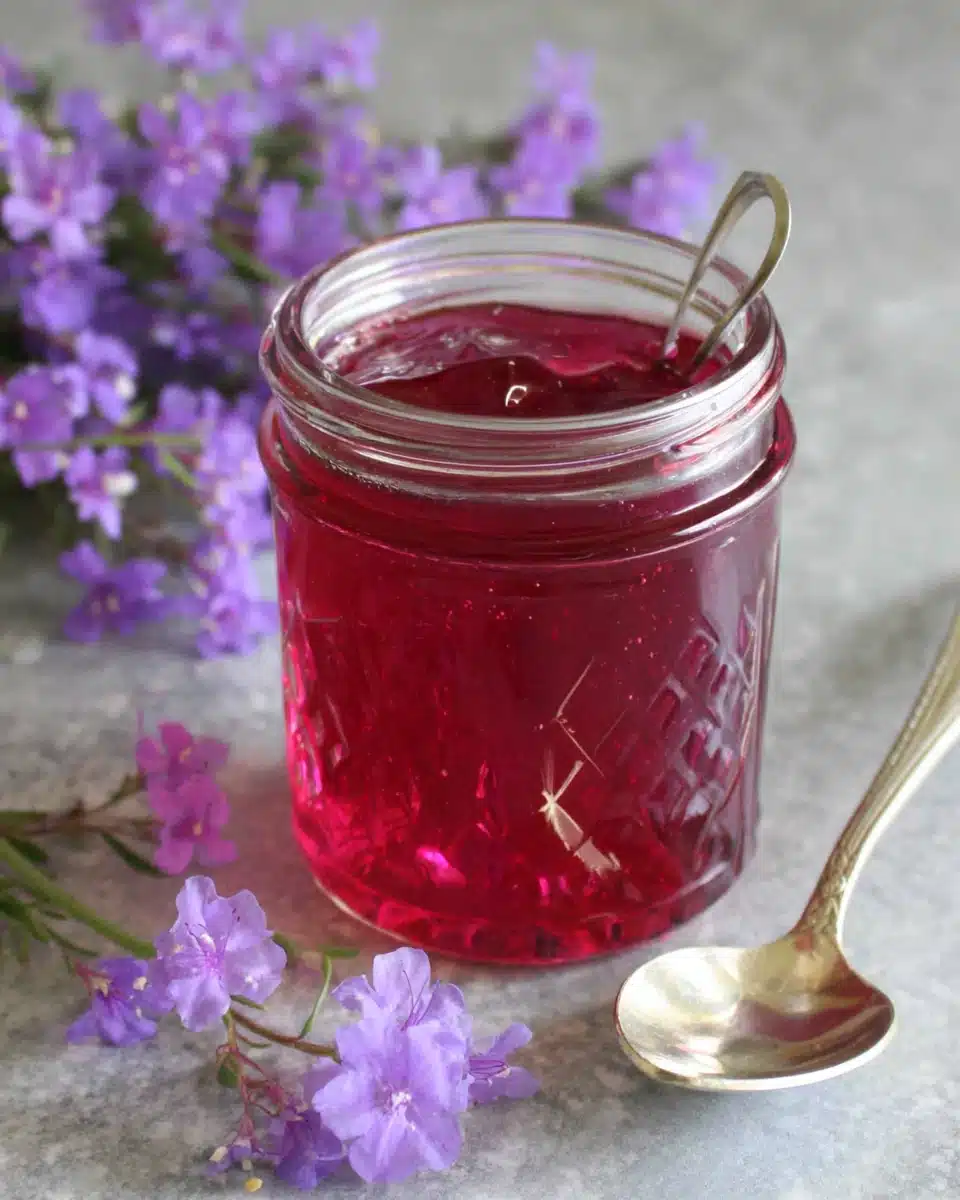

Wild Flower Jelly Recipe
Ingredients Needed for Wild Flower Jelly
- 4 cups edible flower blossoms
- 4 cups boiling water
- 2 tablespoons lemon juice
- 1 to 4 cups sugar (depending on sweetness preference)
- 1 box (1.75 oz) powdered pectin (Regular or Low Sugar)
Essential Tools for Making Jelly
- Large saucepan or jam pot
- Strainer or cheesecloth
- Measuring cups
- Jars for storage
- Water bath canner (optional)
How to Prepare Edible Flowers
Selecting the Right Flowers
Choosing the right wildflowers is essential for making delicious jelly. Opt for flowers like violets, dandelions, or clover, which are known for their delightful flavors. Always ensure the flowers are edible and free from pesticides.
Cleaning and Preparing the Blossoms
Once you’ve selected your flowers, gently remove the stems and any green parts. This step is crucial for avoiding bitterness. Rinse the blossoms in cool water to remove any dirt or insects, ensuring that your jelly will taste fresh and pure.
Step-by-Step Instructions for Making Wild Flower Jelly
Infusing the Floral Tea
Pour 4 cups of boiling water over your prepared flower blossoms. Let this steep for about 10 minutes. This step creates a fragrant floral tea that serves as the base for your jelly.
Combining Ingredients for Jelly
Strain the floral tea into your saucepan or jam pot. Add the 2 tablespoons of lemon juice to brighten the flavor and enhance the color. This combination makes your jelly not only tasty but visually appealing.
Boiling and Setting the Jelly
Bring the mixture to a boil. Stir in the powdered pectin and allow it to boil for a minute before adding sugar. Depending on your sweetness preference, you can add between 1 to 4 cups of sugar. Remember to stir constantly to ensure everything combines well. Bring it back to a full boil for another minute to let the pectin activate.
Canning or Storing the Jelly
Ladle the hot jelly into jars, leaving about 1/4 inch of headspace. If you plan to can the jelly, process the jars in a water bath canner for 10 minutes. If not canning, let the jars cool and store in the refrigerator for up to a month or freeze them for up to 6 months.
Tips for Successful Jelly Making
Adjusting Sugar Levels
Don’t hesitate to adjust the sugar levels based on your palate. For a lighter jelly, consider using low-sugar pectin, which allows you to use less sugar while still achieving a great set.
Choosing the Right Pectin
When it comes to pectin, select the type that suits your needs. Regular pectin requires a 1:1 ratio of liquid to sugar, while low-sugar options allow for more versatility. Always check the instructions for optimal results.
Flavor Variations Based on Flower Types
The flavor of your wild flower jelly will vary depending on the flowers used. Each type brings its unique notes, from berry-like flavors to light floral hints. Experiment with different blossoms to find your favorite blend!
Creative Ways to Use Wild Flower Jelly
Pairing with Cheeses and Meats
Wild flower jelly pairs beautifully with cheeses and cured meats. Try serving it with a cheese board for a lovely, floral twist that elevates your appetizer game.
Incorporating into Desserts
Incorporate wild flower jelly into desserts like cakes or tarts for an unexpected burst of flavor. It also makes a stunning glaze for pastries or a filling for cookies.
Using as a Topping for Breakfast Items
Spread it on toast, pancakes, or waffles for a sweet breakfast treat. Wild flower jelly brightens up your morning routine, making it feel special and indulgent.
FAQs
What types of wildflowers are best for making jelly?
The best wildflowers for making jelly include violets, dandelions, and clover. These flowers are known for their sweet and unique flavors, making them ideal for jellies.
How do I properly prepare wildflowers for jelly making?
To prepare wildflowers for jelly making, remove the stems and green parts, rinse them thoroughly in cool water, and ensure they are free from dirt and insects.
Can I use store-bought wildflower jelly in recipes?
Yes, you can use store-bought wildflower jelly in various recipes. It works well as a glaze, filling, or topping, adding flavor to desserts and savory dishes alike.
What are some creative ways to use wild flower jelly?
Wild flower jelly can be paired with cheeses, used in desserts, or spread on breakfast items like toast and pancakes. Its floral flavor adds a unique touch.
Is wild flower jelly safe to eat?
Yes, wild flower jelly is safe to eat as long as the flowers used are edible and free from pesticides. Always ensure you source flowers from reliable sources.
Related Recipes to try
Conclusion
Now that you know how to make wild flower jelly, it’s time to get creative in the kitchen! This easy recipe allows you to capture the essence of spring in every jar. For more floral inspiration, check out this wonderful Pinterest page. Happy jelly making!
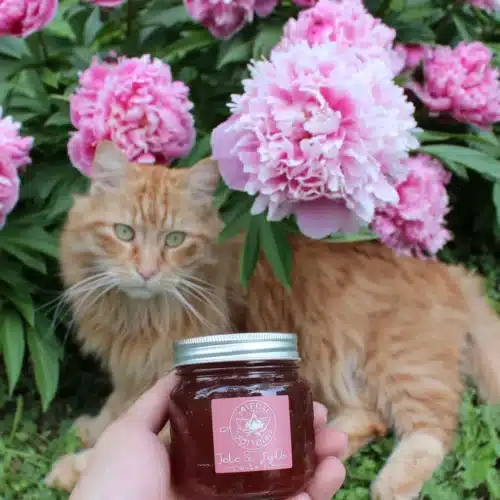
Delicious Wild Flower Jelly: A Sweet Treat to Cherish
Equipment
- saucepan
- jam pot
- ladle
- water bath canner
Ingredients
- 4 cups edible flower blossoms
- 4 cups boiling water
- 2 tablespoons lemon juice
- 1 to 4 cups sugar depending on sweetness preference
- 1 box (1.75 oz) powdered pectin Regular or Low Sugar
Instructions
- Remove stems and green parts from the flower blossoms.
- Steep the blossoms in boiling water for about 10 minutes.
- Strain the tea into a saucepan and add lemon juice.
- Boil the mixture, stir in pectin, and boil for 1 minute.
- Add sugar, return to a boil for another minute.
- Ladle jelly into jars, leaving 1/4 inch headspace.
- Process jars in a water bath canner for 10 minutes or refrigerate.